Permanent eave lighting · Installer resource
A Twilight Trim installation looks effortless when it is finished. Getting there takes a measured, documented plan before the first channel is cut.
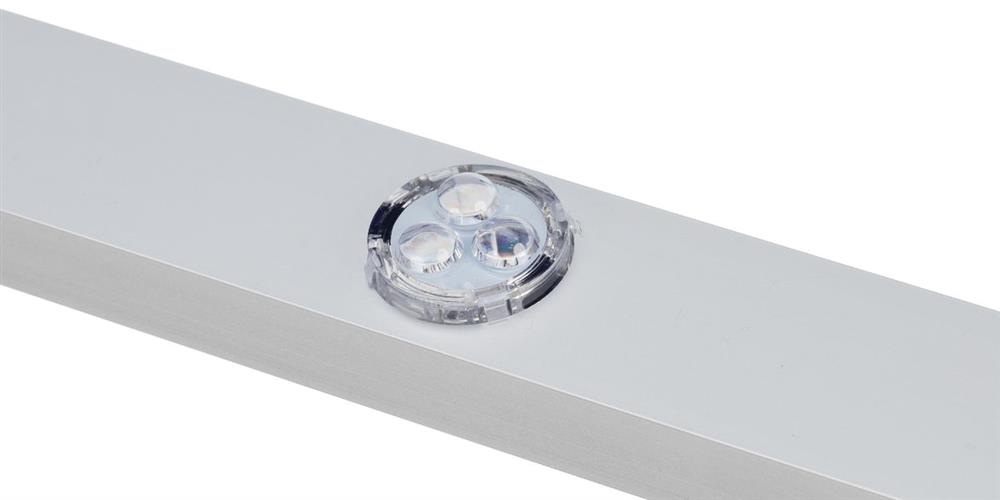
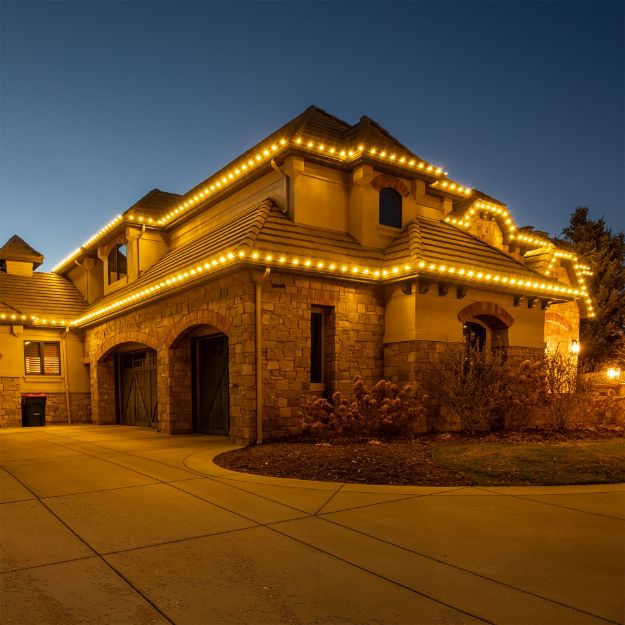
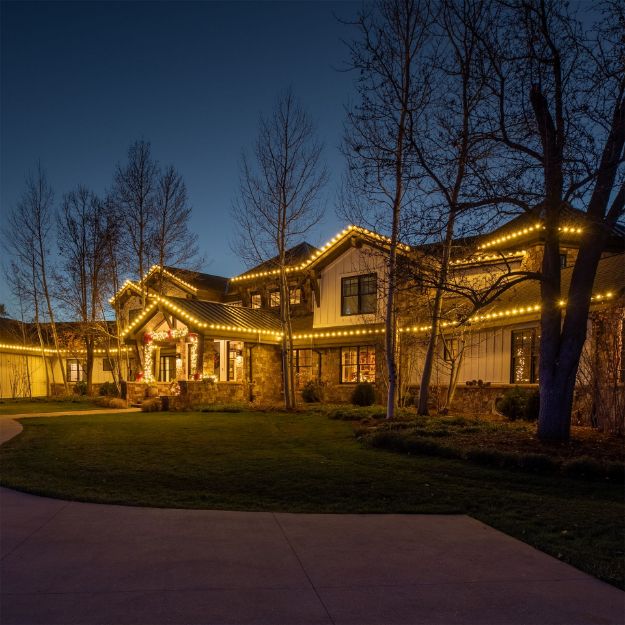
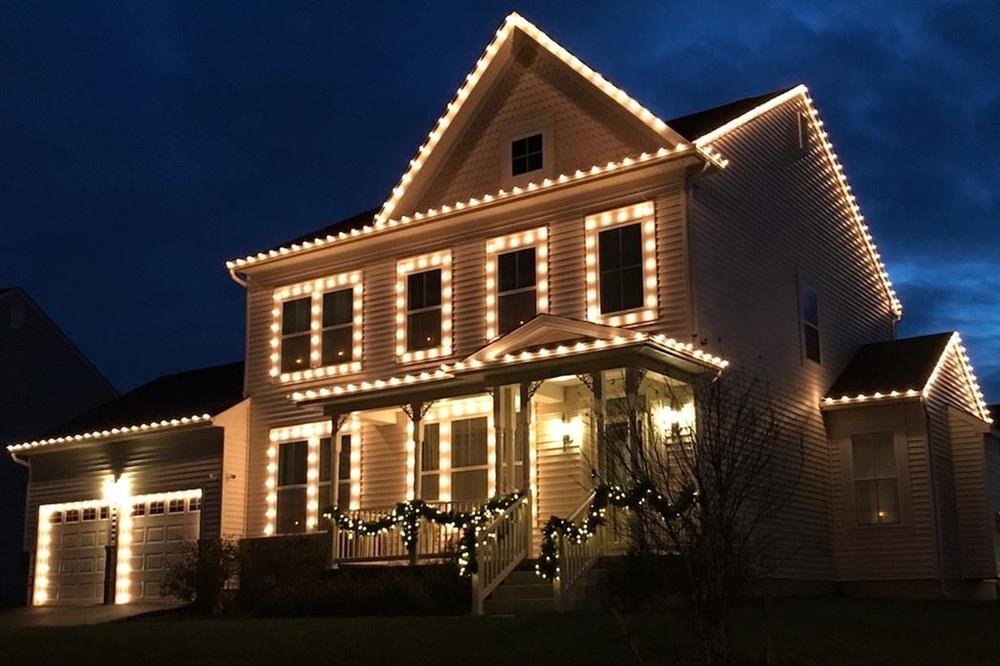
Twilight Trim is a permanent, low-voltage lighting system built around individually addressable RGBW LED dots mounted in a low-profile channel under the eave. From one app, the same install delivers everyday white architectural lighting, holiday and game-day color, and animated scenes all year.
This guide walks professional installers and lighting contractors through the job in six steps: four to plan it, two to install and hand it over.
Jump to a step

Part 1
Plan Your Project
Almost every problem on a permanent lighting job traces back to planning. These four steps catch issues on paper, where they are cheap to fix.
A run that comes up short, a controller with no signal, an animation that runs the wrong way around a corner, a client who pictured something different: all of these start in planning. Treat your plan as a working document. It becomes your pricing basis, your order, your install map and, at the end, part of the record you hand to the homeowner.
Step 1 of 6 · Plan
Define the scope and the look
Start with a design conversation before you pull out a tape measure. Walk the property with the client and agree on:
- Coverage. Front elevation only, or the full house? Which features matter most: peaks, gables, porches, garage lines?
- Budget. A clear number early lets you offer phased options instead of redesigning later.
- Finish color. Match the channel to the trim or fascia so the system disappears in daylight.
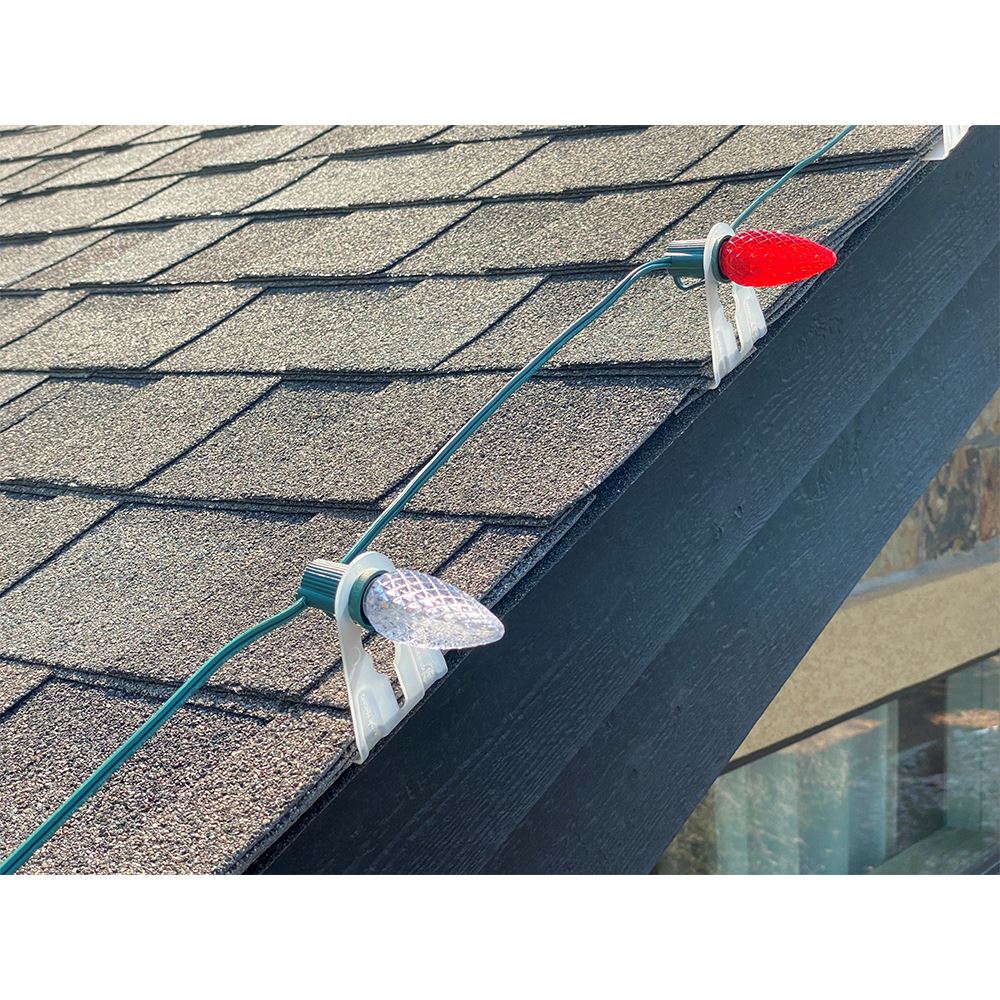
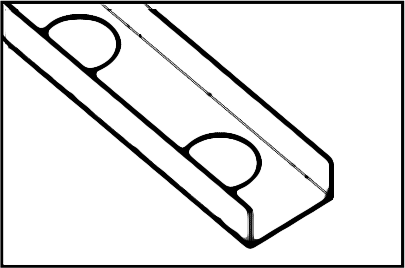
- Mounting profile and light wash. Where the channel sits, and at what angle, changes how much light hits the wall versus the ground.
Arches and curves deserve their own conversation. Mounting closer to the edge, or using an angled profile, changes how the dots read on a curve. Show an example or do a quick mock-up rather than promising a result.
Basic
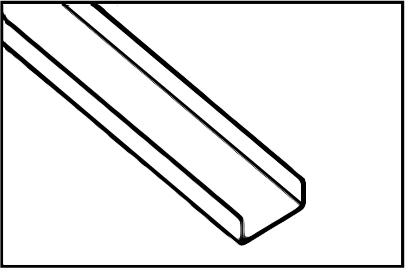
Backer
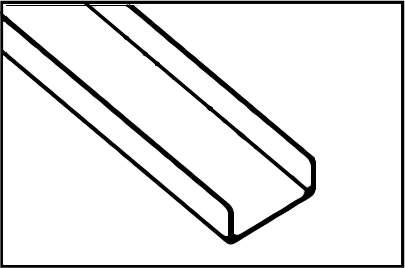
Chase
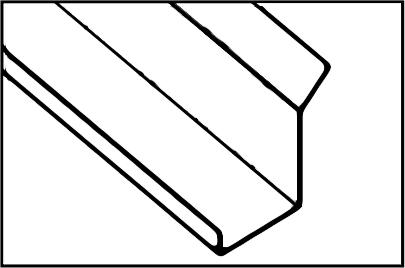
45°
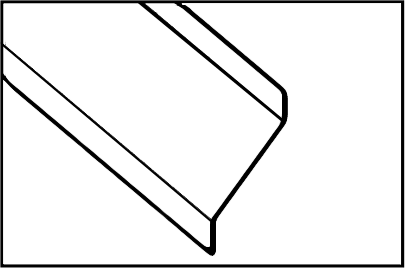
Flash
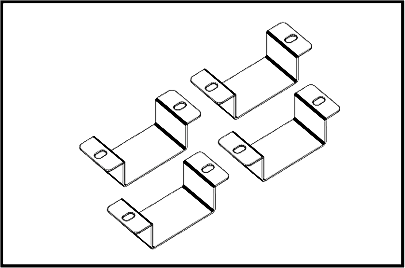
Clips
Channel profile and mounting position shape how much light washes the wall versus the ground.
Step 2 of 6 · Plan
Measure and map every run
Accurate field measurements are the foundation of the whole job. Complete them before you give final pricing or place an order. Aerial imagery is fine for a ballpark quote, but it misses returns, soffit depth changes and obstructions.
Work from a photo or simple elevation drawing of each side of the house and give every run its own label (A1, A2, B1 and so on). For each one, record:
- Measured length
- Start and end points
- Corners, returns and other transitions
- The cable path back to the controller, including any gaps the run must jump
Mark the direction data will travel along each run so animations flow consistently and adjacent runs never appear to chase each other the wrong way.
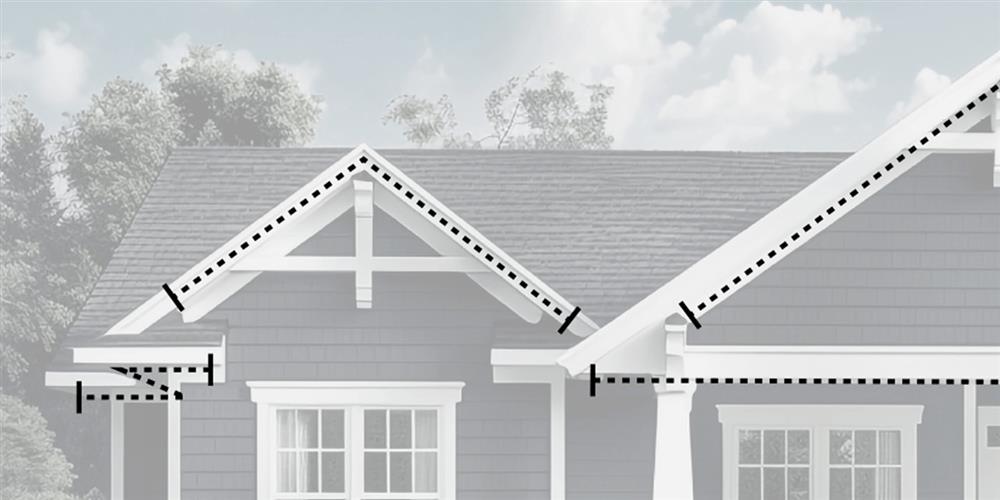
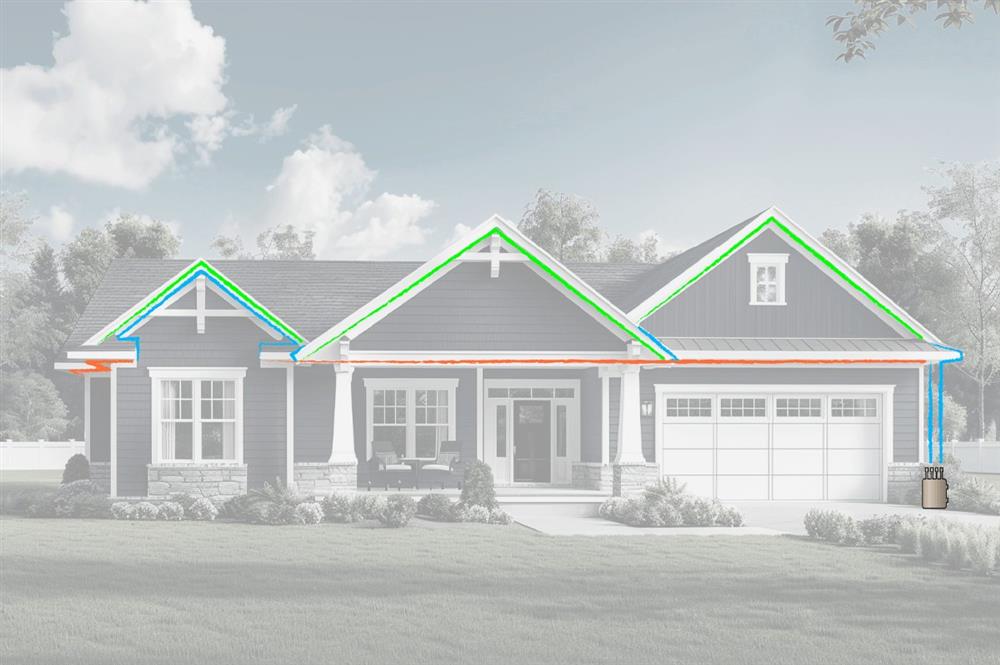
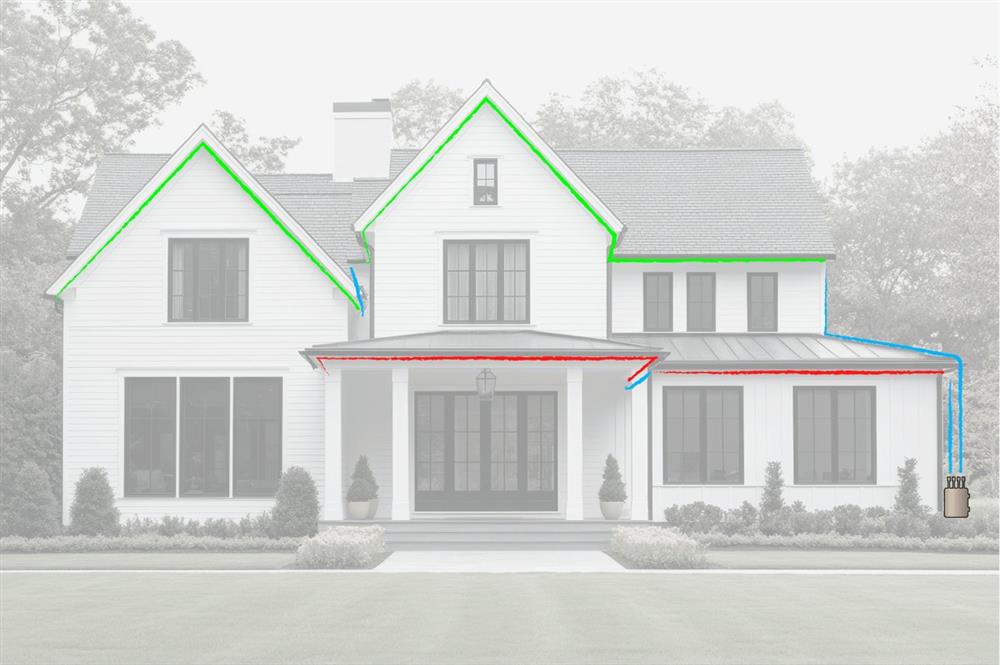
Example layouts
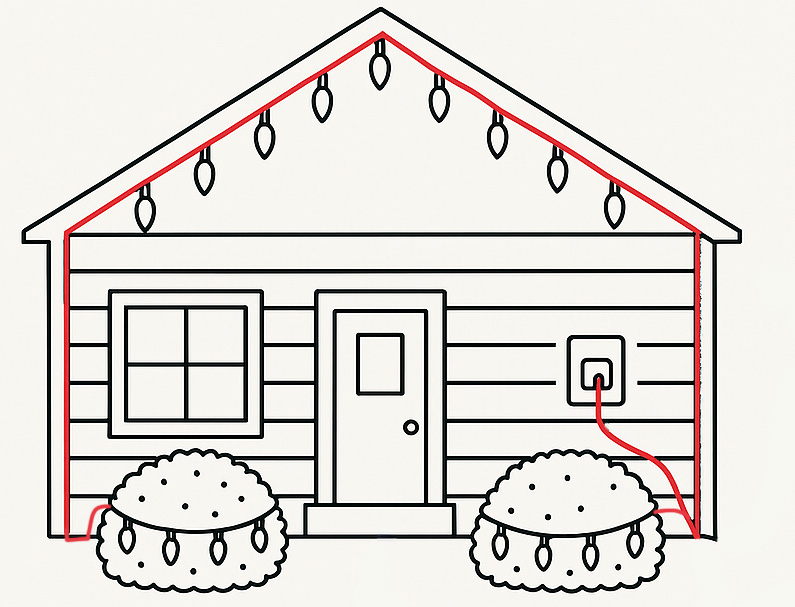
These sample homes show how a roofline is split into zones, with jumper cables routed back to a single control box. Key: red = Zone 1, green = Zone 2, blue = jumper cable.
Step 3 of 6 · Plan
Identify site constraints and access
Before you commit to a price, walk the job with installation day in mind. Look for anything that affects how your crew reaches the eave, where equipment can stand and what the channel mounts to.
Ground access
Landscaping, slopes, decks, fences, pools and tight side yards all limit where ladders or lifts can be set up safely.
Roof and interior access
Note roof pitch, material and condition, and whether you need attic, garage or interior access to route cable or reach power.
Façade construction
Wood, vinyl, stucco, brick and stone each call for different fasteners and prep. Mark material changes along a run.
Obstacles and season
Gutters, downspouts, cameras, fixtures and trees can interrupt a run. Plan around weather and daylight.
Write down the solution for each constraint. If an obstacle changes the scope, such as skipping a section, adding a jumper or needing a lift, explain it to the client before the order is placed, not on install day.
Choose access for the site, not by habit.
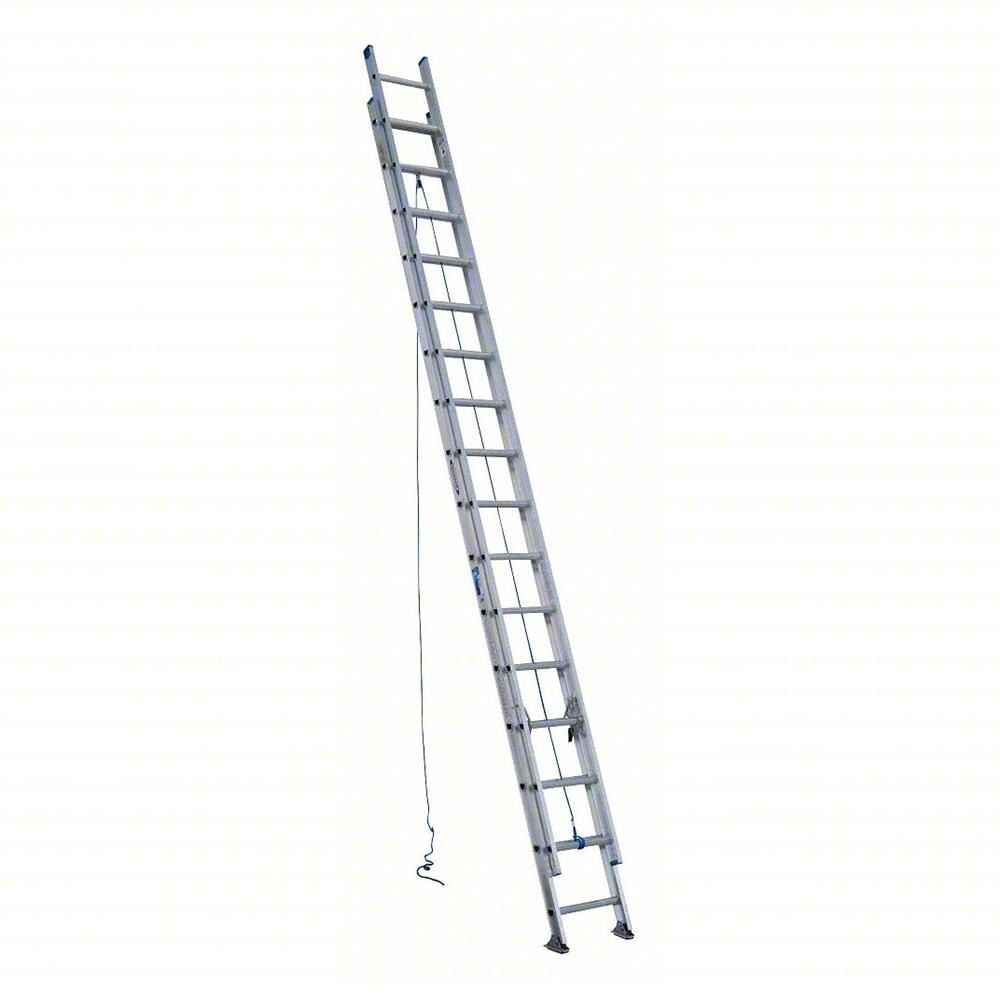
Select ladders, lifts or roof access for each work area based on the conditions you documented, and follow applicable fall-protection and height-safety requirements.
Step 4 of 6 · Plan
Build the materials list
Place the controller first
Every system needs a control box. Choose a spot with a suitable power source, room to service it later and a Wi-Fi signal you have actually tested at that spot. Because runs are built from the controller outward, its location drives cable paths and data direction for the whole layout.
Count the components
- LED dots for each run, based on measured lengths and centered spacing
- Mounting channel in the chosen profile and finish
- Jumper cables for gaps, corners and the path back to the controller
- Power injection for any run over 165 dots
- Fasteners, sealant and grommets suited to the façade materials

LED dots
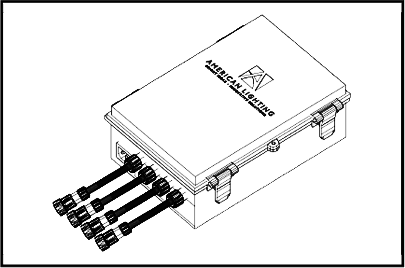
Control box
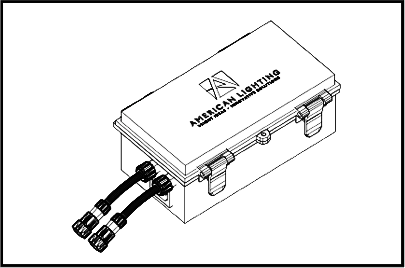
Power injection box
Key planning numbers
165
dots max per run before power injection
330
dots max per run with power injection
9″
spacing between channel holes
18 ft
jumper length that needs a signal booster
0.5 W
per dot on a 24V DC system
10%
minimum extra mounting trim
Plan for waste and surprises.
Order at least 10% extra mounting trim to cover corners, miter cuts and centering segments. Add a few short dot segments and spare jumpers so a small field change does not stop the job. One control box runs the whole system.
Printable planning checklist
Use one row per run or segment and keep the completed sheet with the job file.
Download the Planning Checklist (PDF)
| Run ID | Location | Measured length | Mounting type | Cable path | Controller / zone | Proposed parts | Review notes |
|---|---|---|---|---|---|---|---|
| A1 | Front, left rake | ||||||
Turn your measurements into a parts list
Enter your zones, run lengths and mounting choices in the Spektrum+ Twilight Trim Configurator to get an estimated parts list, then check it against your plan and add everything to your cart.
Open the Twilight Trim ConfiguratorPart 2
Prepare and Install
With an approved plan and materials on hand, the install follows the same logic: organized, from the controller outward, with checks along the way.
Step 5 of 6 · Install
Stage, mount and test
Here is what happens at each stage. For fastening details, wiring connections and component limits, follow the manufacturer’s installation instructions for the exact products you are installing.
Power off before you connect.
Make sure power is off before connecting any cables. Power up to test only after the connections for that section are complete.
Stage 1
Stage and finish components
Confirm every item on the materials list has arrived before you schedule. If the channel is being painted to match the trim, finish it ahead of time. Pre-cut and label pieces by run ID at ground level.
Stage 2
Gather tools and access equipment
A miter saw with a fine-tooth blade for aluminum, powered driver and drill, tape, cutters, fish tape, fasteners for each façade, sealant, grommets, touch-up paint, plus the access and fall-protection equipment the site requires.
Stage 3
Assemble and mount
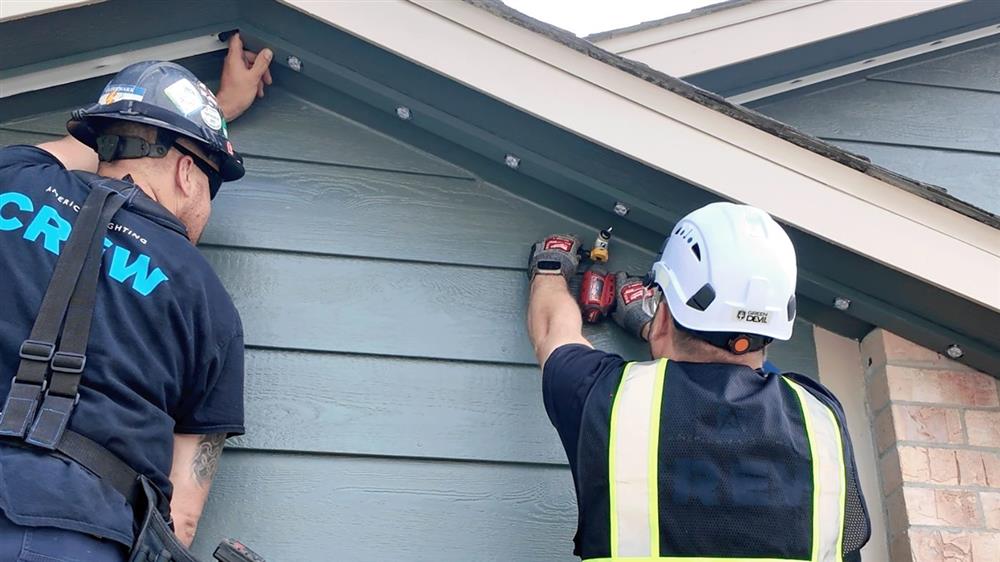
Start at the controller and work outward along the planned data direction. Center the dots within each segment so spacing looks balanced corner to corner, and use spacers or a jig for consistency.
Stage 4
Test as you go
Once a section’s connections are complete, power it up briefly to confirm every dot responds. One bad connection is far easier to find now than on a finished house.
Stage 5
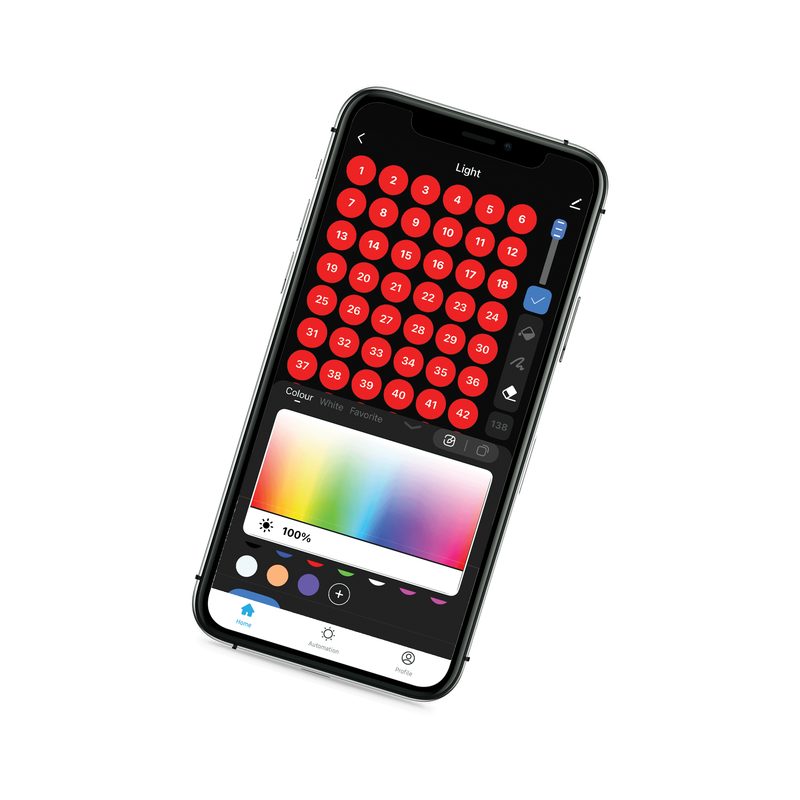
Pair and configure the app
Download the Spektrum+ app, sign in, pair the controller and set up zones. Load a few scenes and schedules with the client in mind. App guide (PDF)
Step 6 of 6 · Install
Finish with a clean handoff

A permanent system stays with the home for years, so the last visit sets the tone for referrals and future service calls. Before you leave:
- Inspect the finished work in daylight and after dark: straight runs, consistent spacing, sealed penetrations, touched-up cuts, tidy cable.
- Demonstrate the controls. Have the homeowner turn the system on, change a scene and adjust a schedule on their own phone.
- Hand over the materials record: your run map, the completed planning sheet and the parts list, so future repairs or extensions match.
- Document support information: who to call, product details and any warranty paperwork that applies.
Ready to Plan Your Twilight Trim Project?
Estimate your materials and add everything to your cart in one place, or talk to the Novelty Lights team about your layout.
Shop Twilight TrimGet Help Planning Your Project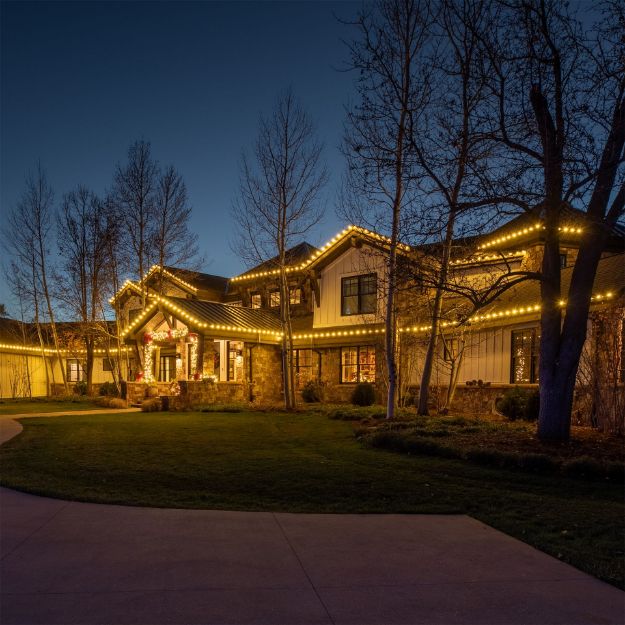




.jpg)