
Novelty Lights · Mini Light Guide
Find the right mini lights for your display
Find the right bulb shape, the right sparkle and the right setup for your trees, greenery and outdoor displays.
A tree wrapped in tiny points of light looks different from one filled with faceted strawberry bulbs, even when both use warm white LEDs. Add terms like convex, T5, random twinkle and coaxial, and shopping for mini lights can feel more complicated than the decorating itself.
This guide explains what each style does, where it works best and which specifications deserve your attention. Start with the look you want, then choose the construction and power source that fit the job.
What is a mini light?
Mini lights are strings of small decorative bulbs used to light trees, shrubs, wreaths, garlands and other displays. When shopping for holiday string lights, you will see two main styles: traditional screw-in bulb strings and mini-light strings. Screw-in strings use separate bulbs that thread into sockets, such as many classic C7 and C9 sets. Mini lights do not use traditional screw-in bulbs. Their small bulbs are built into the string or fitted into compact push-in sockets, depending on the design. Mini lights come in LED and incandescent versions; “mini” describes a family of compact string lights, rather than one exact bulb shape.
At Novelty Lights, that family includes 5mm wide angle and convex LEDs, traditional T5 candle tips, M5 bulbs and C6 strawberry lights. Small globe lights belong here, too. Larger C7 and C9 bulbs are usually shopped separately when you want a bolder outline on a roofline or building.
Choosing mini lights gets easier when you separate four decisions: the bulb shape, the arrangement of the string, the lighting effect and the power source. A C6 light can twinkle. A wide angle light can be battery powered. An icicle set can use mini bulbs in hanging drops. These names describe different parts of the same product.
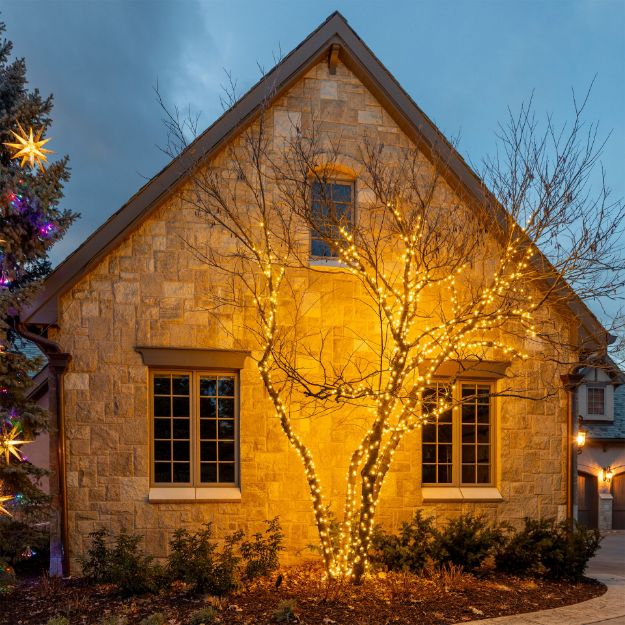
Matching colors bring mini lights and C7/C9 bulbs together
Our LED mini lights and screw-in LED C7 and C9 bulbs offer matching color options, so you can carry the same color scheme across your display. Many complete holiday displays use both styles: larger screw-in bulbs define the outlines, while mini lights fill trees and greenery with smaller points of light.
Use C9 bulbs to trace a roofline or outline a walkway, C7 bulbs around windows or smaller architectural details, and mini lights to wrap trunks, branches, wreaths and garlands. The larger bulbs give the display a clear shape from a distance; mini lights add depth, texture and detail up close. Together, they connect the house, landscaping and entryway into one coordinated display.
Try this combination: warm white C9 bulbs along the roofline, matching warm white mini lights on front-yard trees, and a mini-lit wreath at the door. Or repeat the same red-and-green palette across your screw-in bulbs and mini-light strings for a classic Christmas look. Choose corresponding color options across the two styles to tie it all together.
Start with your project: choose wide angle for tree wrapping, T5 for a familiar Christmas-tree look, C6 for a larger decorative bulb, and battery lights for a wreath without an outlet. Then choose your color and effect.
Mini light types: what each bulb shape does
Different shapes exist because decorators want different looks and light distribution. A tiny lens can tuck into a branch; a faceted C6 can become part of the decoration. Here is how to choose between them.
Actual Novelty Lights product photos. Images are enlarged independently to show detail; they are not a scale comparison.
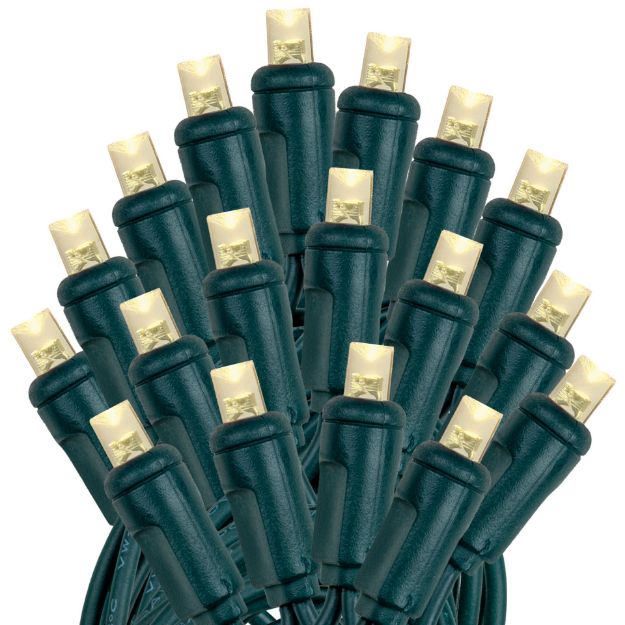
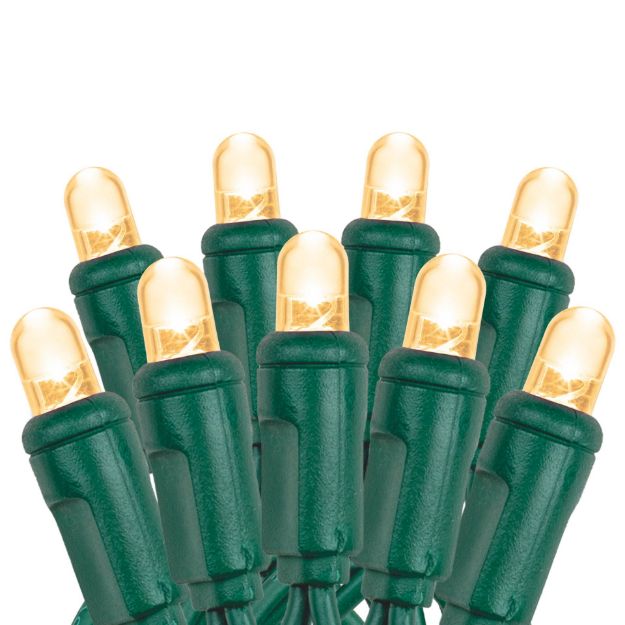
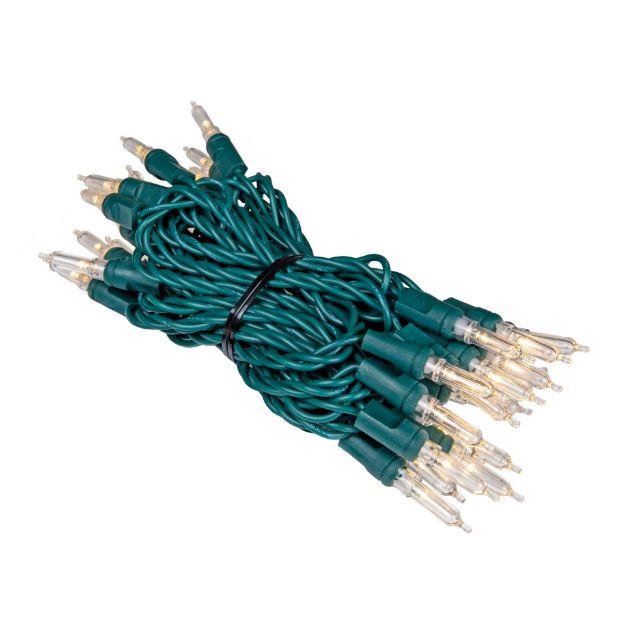
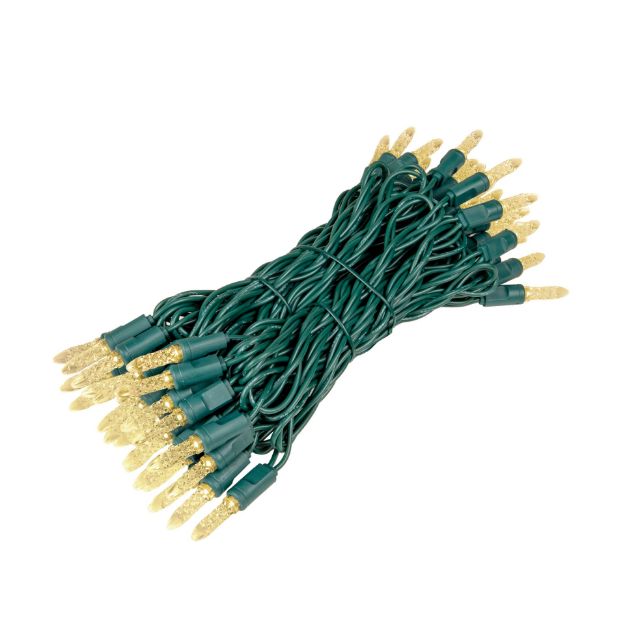
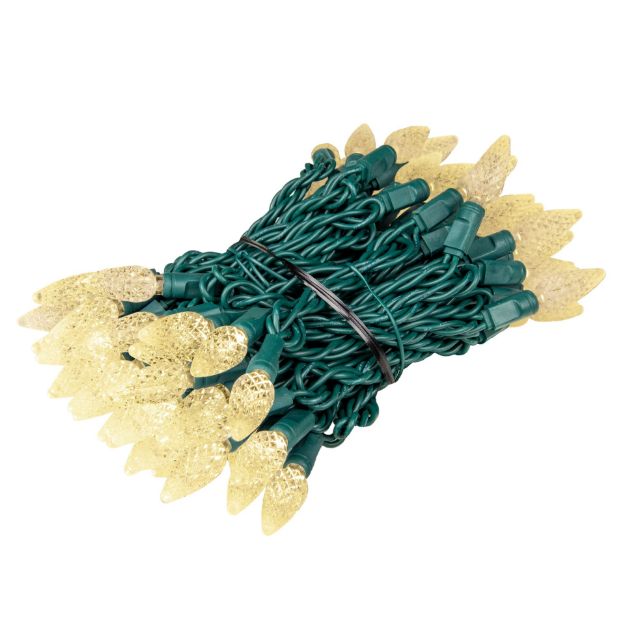
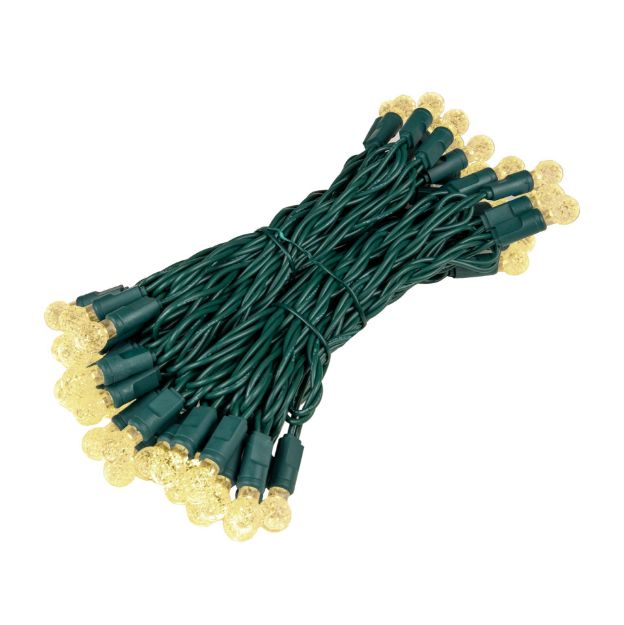
Want the incandescent look with LED efficiency? RetroGlo® LED mini lights are designed to recreate the nostalgic appearance of traditional mini lights. Consider them when the vintage look is the priority.
Why choose commercial-grade mini lights over basic retail sets?
The real value of commercial-grade mini lights shows up during installation, repeated handling and outdoor decorating. Look for the construction details behind the label: wire gauge, bulb connections, light quality and a connection system that suits your display.
Durable 22 AWG wire for seasonal decorating
Our mini-light strings use durable 22 AWG wire, a quality construction detail for lights you will wrap, hang, take down and store. That sturdy wire is part of a commercial-grade build designed for repeated seasonal decorating, from backyard trees to larger holiday displays.
AWG stands for American Wire Gauge. A lower number means a thicker conductor: 22 AWG is thicker than 24 or 26 AWG. Together with secure bulb housings and the right connectors, quality wire helps make a string practical for repeated installation and handling.
Sealed, non-removable LEDs: long life with less upkeep
Our commercial wide angle, convex, C6 and M5 LED options include non-removable bulbs. Each bulb stays securely seated as you wrap branches, decorate greenery and pack your lights away. This one-piece construction is especially useful for displays you install and enjoy again each season.
These LEDs are built for long service. For example, our commercial convex mini lights list an average bulb life of 40,000 hours. Many of our commercial LED mini-light styles carry that same rating. That rating describes the LED bulb’s average life; the warranty covers the product under its stated terms.
The LED is designed to be one of the longest-lasting parts of the string. With that long service life, routine bulb replacement becomes less important. Our sealed, non-removable construction keeps each bulb securely in place and helps protect its connection from moisture, giving you durable lights with less upkeep, season after season.
If one bulb burns out, the rest stay lit
Our 50-light commercial wide angle set and 50-light convex set specify that the remaining bulbs stay lit if one burns out. This helps keep a single failed bulb from spoiling the entire display.
That feature refers to bulb burnout. A damaged wire, failed connection, fuse or other circuit fault can still affect a section or the whole string.
Full-wave rectification improves the viewing experience
The commercial LED sets highlighted here use full-wave rectification, which helps reduce the visible flicker associated with basic half-wave LED strings. It is useful for displays you see up close or while moving past them. Intentional twinkling is a separate effect; rectification concerns how the LEDs are powered.
Three-year seasonal coverage on featured commercial sets
Our featured commercial wide angle, convex, M5 and coaxial wide angle sets list a three-year warranty for seasonal use. That supports the way many customers use their holiday lights: decorate, enjoy, take down and store for the next season. Check the individual product’s warranty, especially for battery and solar options; seasonal coverage is not the same as continuous year-round use.
Useful specifications make planning easier
For example, our 50-light warm white wide angle set, CGWA50-4-G-WW lists 4-inch spacing, 4.8 watts per string, up to 43 matching strings connected end to end, UL listing for indoor/outdoor use and a three-year seasonal-use warranty. Those numbers help you plan coverage, power and future maintenance.
Why commercial grade is worth the upgrade: built for longer life. Our commercial-grade mini lights combine durable 22 AWG wire, securely sealed LEDs and long bulb-life ratings to deliver lasting value through repeated seasonal use. The goal is more seasons of decorating from the lights you buy, with less upkeep along the way. You are investing in construction designed to last, backed by the seasonal warranty on your chosen set.
True Twinkle® vs. random twinkle vs. chasing lights
True Twinkle® makes every bulb fade randomly; standard random twinkle mixes blinking bulbs with steady bulbs; chasing creates controller-driven patterns. The difference is easiest to see in these original warm-white product GIFs.
True Twinkle®
Every bulb slowly fades independently
Show / hide animation
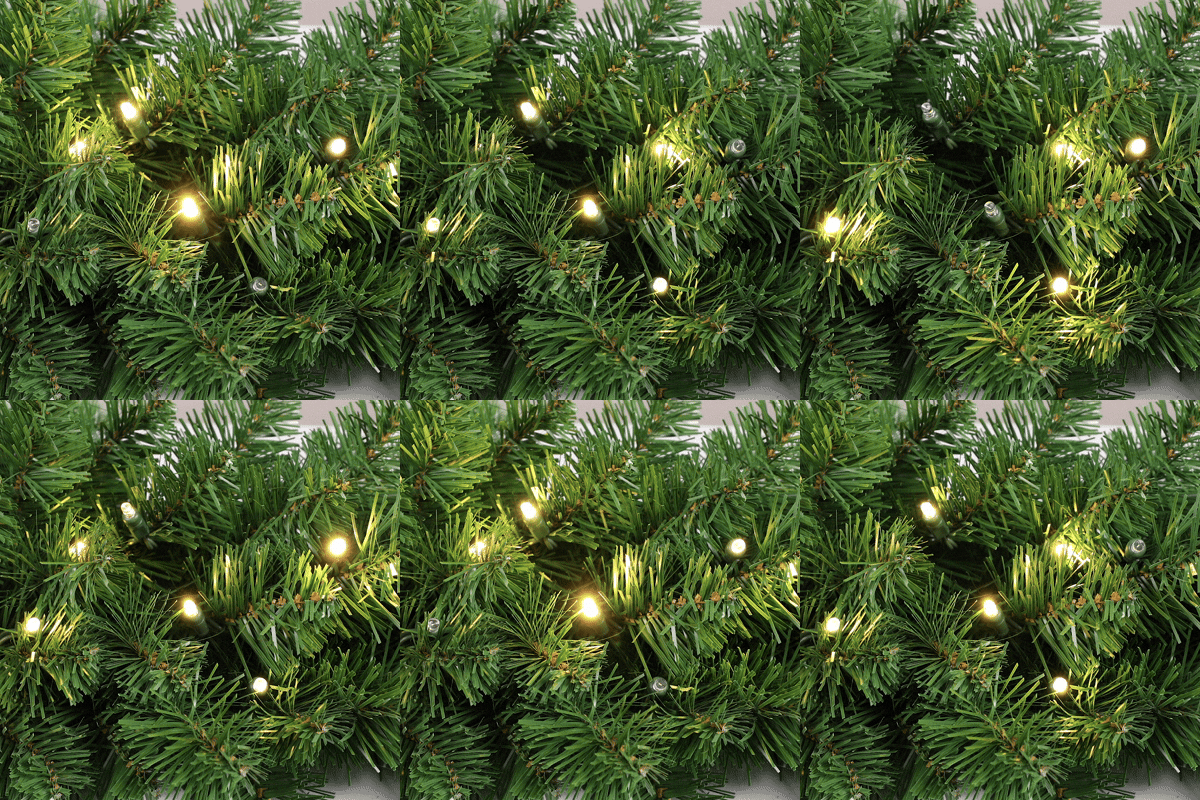
Every bulb participates in a random, gradual fade on and off. The result is a soft, shifting sparkle across the whole string rather than a synchronized flash.
Best uses: Wedding trees, feature trees, porch greenery and displays where gentle movement is the main attraction.
Shop True Twinkle® →Random twinkle
20% twinkle; 80% remain steady
Show / hide animation
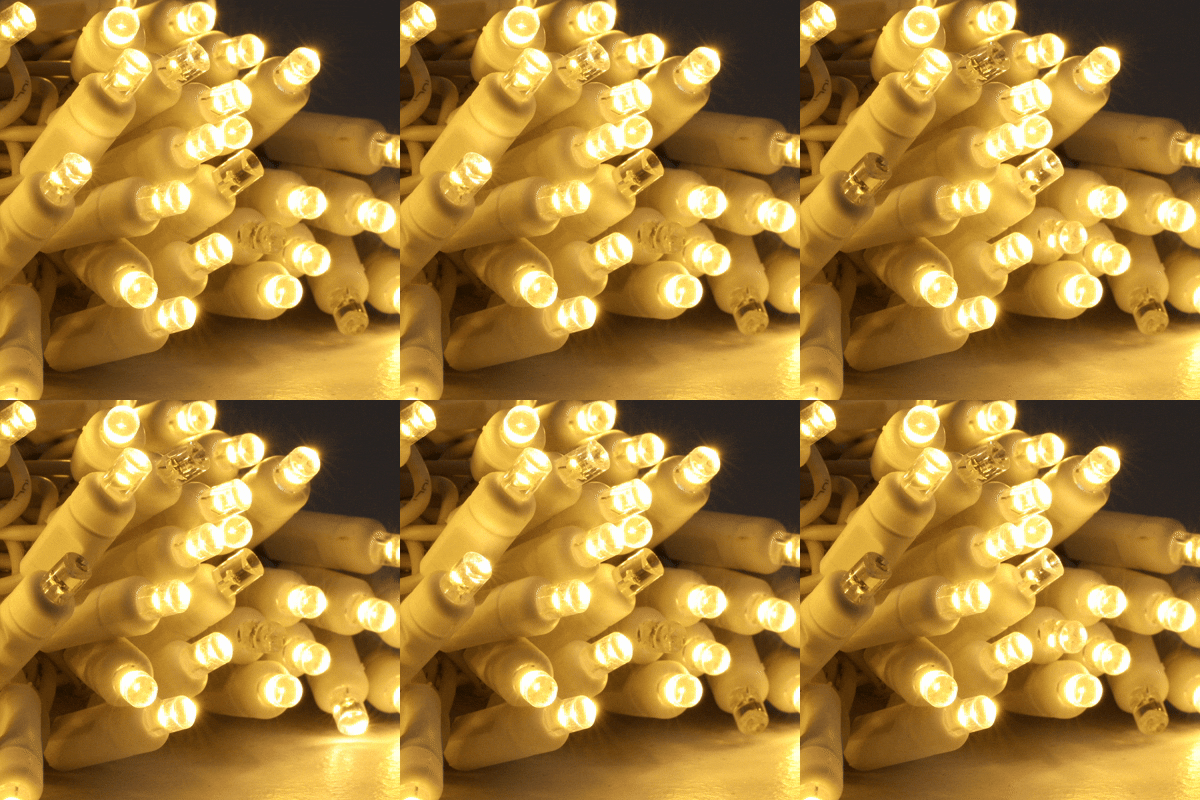
On our standard 50-light wide angle random twinkle strings, 20% of the bulbs blink on and off while 80% stay continuously lit. A steady background of light remains as scattered bulbs shimmer.
Best uses: Shrubs, garlands and large trees where you want a mostly steady display with a little movement.
Shop random twinkle →Chasing
A controller creates repeating patterns
Show / hide animation
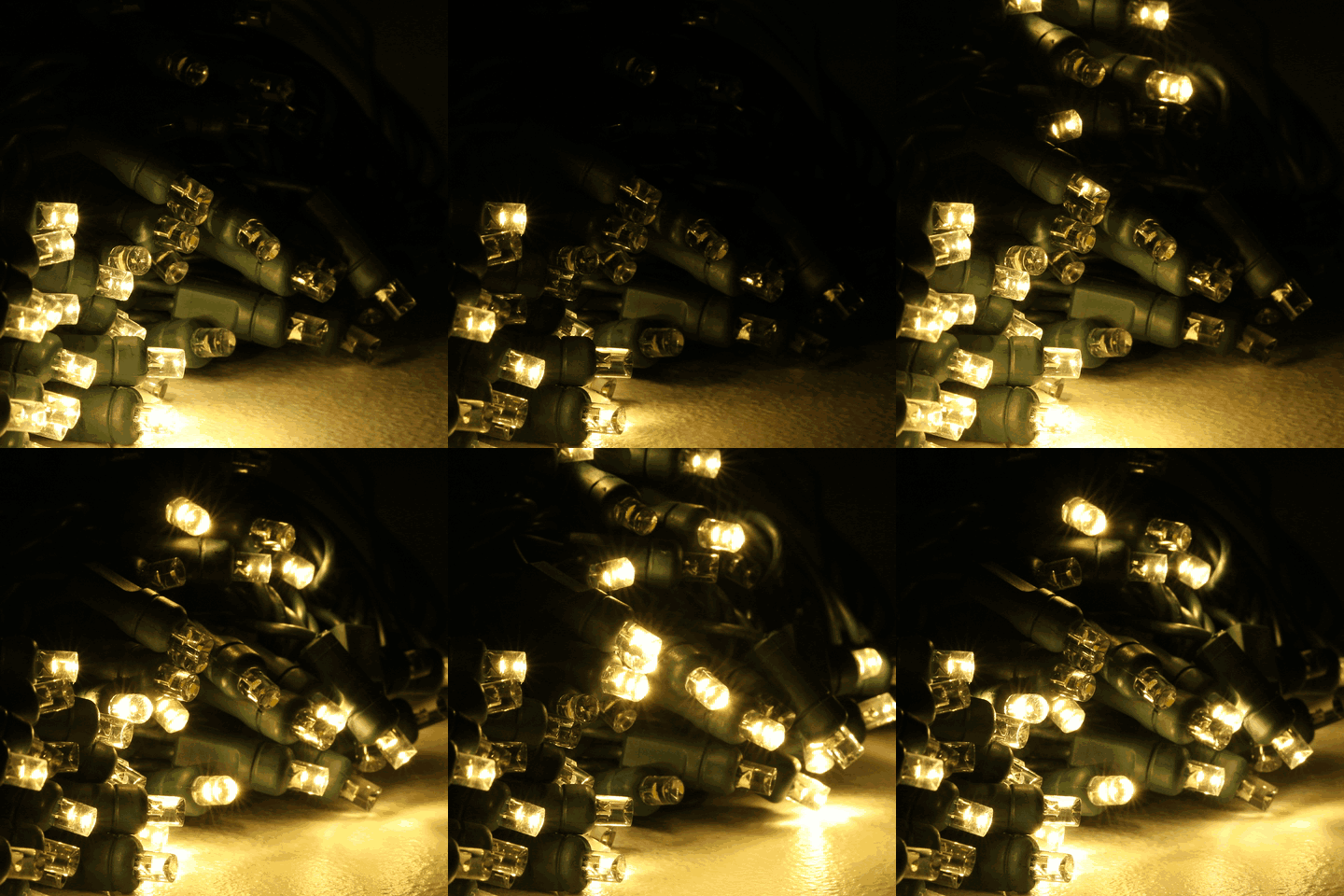
Chasing lights switch groups of bulbs in sequence, creating the impression of movement along a string. Multi-function sets can include other patterns such as fades; the available effects depend on the controller.
Best uses: Railings, window outlines, party displays and focal areas where a more energetic pattern is welcome.
Shop chasing lights →Animations show the respective products, not a brightness comparison. Camera exposure and filming conditions differ. Use “Show / hide animation” to close any moving image.
For a specific chasing example, our 140-light warm white LED chasing set has 16 functions and memory for the last setting. A function called “twinkle” on another controller is not automatically the same as True Twinkle®. Check the product description and animation before choosing.
Decorating tip: use one effect as your main theme. For example, put True Twinkle® on a feature tree and steady lights on surrounding garland so the movement has a clear focal point.
Icicle, net and curtain lights: choose the right arrangement
These names describe how mini lights are arranged on the wire. Pick the arrangement that fits the surface, then choose the bulb style and effect.
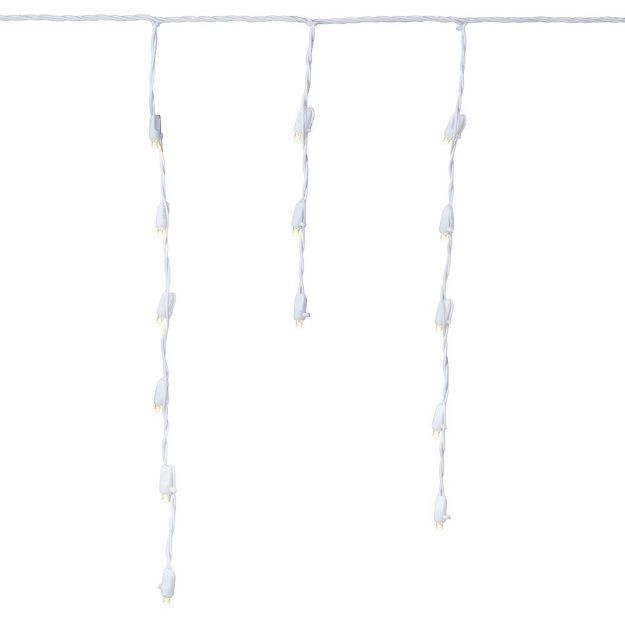
Icicle lights for rooflines, eaves and porch edges
Icicle lights hang from a horizontal wire in drops of different lengths, creating a layered fringe. They fill the space below an edge without needing to form each drop by hand. Our range includes wide angle and M5 LEDs, plus True Twinkle® and random twinkle options.
Measure the horizontal span you want to cover and check the longest drop. A string’s many hanging bulbs do not tell you how much roofline it covers. Choose a wire color that blends with the trim and leave clearance around doors and walkways.
Net lights for even shrub coverage
Net lights arrange bulbs in a mesh. Drape a correctly sized net over a shrub when quick, even coverage matters. Individual strings are more flexible for irregular branches or a tightly wrapped tree trunk.
Curtain lights for windows and backdrops
Curtain lights create a wall of hanging strands for windows, event backdrops and broad vertical spaces. Check the width, drop length and whether the set connects to another set before planning a large installation.
Starlight spheres for suspended accents
Starlight spheres group mini lights into a ball. Hang them at different heights in a tree or porch display when you want a visible decorative shape and depth. They work especially well as accents above a display of wrapped trunks or garland.
Plug-in, coaxial, battery or solar: which should you use?
Standard plug-in: dependable power for larger displays
Choose plug-in mini lights when an outlet is available and you want consistent nightly operation without charging or battery changes. Standard bladed plugs are convenient for trees, garlands and connected runs. Match the strings’ connection type and follow the labeled maximum load.
Coaxial: a secure, weather-resistant connection system
Coaxial, or “coax,” describes how the light strings connect. Instead of a standard flat-blade plug between strings, the matching round connector ends fit together and a threaded collar screws down to secure the joint. The sealed connection helps keep moisture out and reduces the chance of an accidental pull-apart during installation.
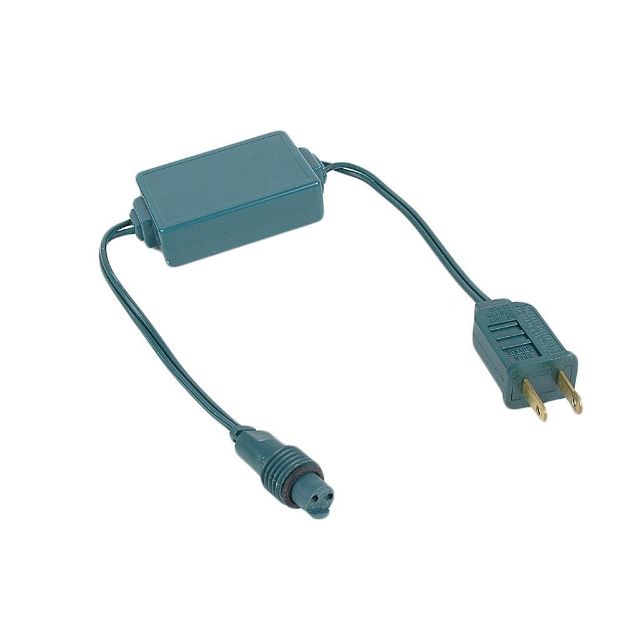
A compatible power connector starts the run at a standard outlet; the light strings, extensions and splitters connect on its coaxial side. For the 50-light coaxial wide angle set, that power connector is sold separately. Think of it as a system you can lay out around your trees, greenery and building features.
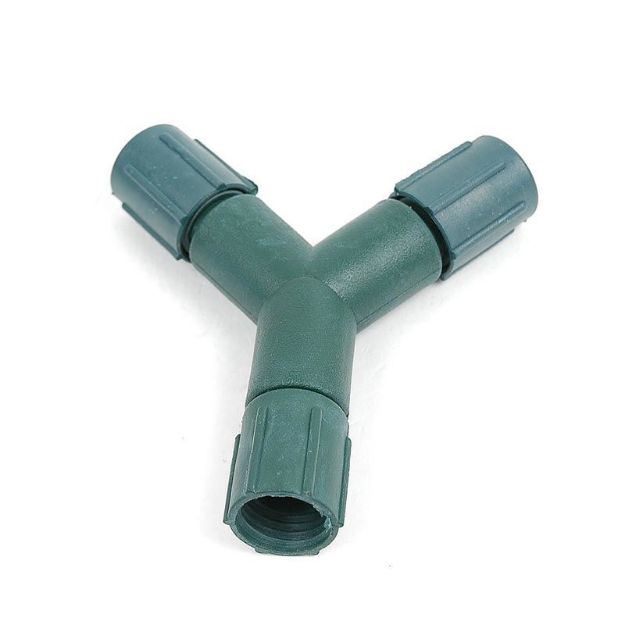
Our coaxial collection offers a broad choice of lights: wide angle, C6 strawberry, M5, G12 globe and C7 strings, plus icicle lights and starlight spheres. Depending on the line, you can choose steady light, True Twinkle®, random twinkle or RGB color-changing options. You can choose the appearance you want while using a connection system suited to outdoor decorating.
- Power connectors: connect a compatible run to its power source.
- Extensions: bridge an unlit gap from the power point to a tree, or between display areas. Available lengths include 6, 12, 20 and 40 feet, with color choices varying by length.
- Y and X connectors: divide a compatible run into branches so you can follow separate limbs or decorate adjacent features.
- Multi-way and 8-way connectors: distribute lights from a central point for more involved layouts. These make it easier to plan separate strings around a larger tree or display.
Example: run a compatible coaxial extension to a tree, then use an appropriate splitter to send separate strings along different branches. This gives you flexibility without using illuminated wire just to cross a gap. A splitter does not increase the permitted load; count all connected branches against the applicable power and string limits.
Explore coaxial power connectors, extensions and splitters → Match accessories to the specific system. RGB + warm white coaxial strings use their own compatible power supply and remote; those are not interchangeable with standard single-color coaxial equipment.
Battery: wreaths, centerpieces and small displays
Battery-operated mini lights work well where you want to hide a small battery pack instead of running a cord: a door wreath, tabletop centerpiece, shelf or freestanding decoration. Plan a place for the pack that remains accessible for battery changes.
Our 20-light warm white set uses three AA batteries. The 50-light warm white battery set uses three D batteries and offers a timer with six hours on and eighteen hours off. Batteries are not included. Check the chosen model’s timer and outdoor-use details; battery life varies with the batteries, temperature and daily use.
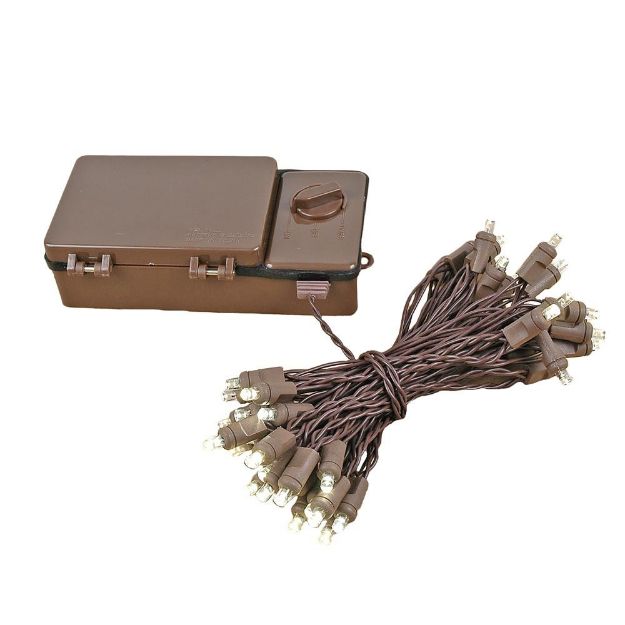
Solar: outdoor accents with a sunny charging spot
Solar mini lights are useful for garden shrubs, fences, small trees and patio accents away from an outlet. A solar panel charges the system during daylight so the lights can operate after dark. Our range includes steady and True Twinkle® options.
The 50-light warm white solar set includes a 10-foot lead between the panel and the first bulb. That lets you decorate a shaded feature while placing the panel in a sunnier spot within reach. Its listed charging and runtime figures depend on conditions; shade, clouds and short winter days can reduce the evening display.
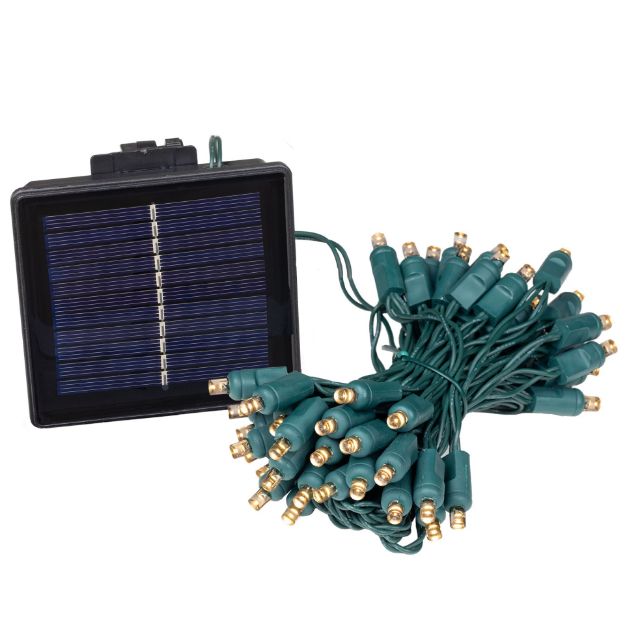
For an event with a fixed start time: plug-in lights are the simplest choice when power is available. Battery sets can serve small decorations if you test them beforehand. Solar works best where variable charging and runtime fit the project.
Mini light spacing: which distance works best?
Bulb spacing is the distance from one bulb to the next along the wire. It controls how many points of light fit into a given run. Closer spacing creates a denser pattern; wider spacing gives the same bulb count more reach. Our range includes 2.5-, 3-, 4- and 6-inch options, with availability depending on the style and power source.
2.5-inch spacing
About 4.8 bulbs per foot
Dense sparkle in a small space
Wreaths, compact garlands, small trees and craft displays where you want plenty of light without many extra wraps. Close spacing gives a fuller look along each pass of wire.
3-inch spacing
About 4 bulbs per foot
Close coverage for compact accents
Available on selected solar sets. Useful for small shrubs, garden accents and compact decorations where you want closely grouped points of light.
4-inch spacing
About 3 bulbs per foot
A versatile balance of coverage and definition
Tree trunks, branches, shrubs, railings and general-purpose greenery. It gives a substantial pattern without packing the bulbs as closely as 2.5-inch spacing.
6-inch spacing
About 2 bulbs per foot
More reach with the same bulb count
Larger trees, broad garlands and longer runs where a more open pattern suits the display. Individual points have more separation, and the same number of bulbs covers more distance.
For a seamless look, match wrap spacing to bulb spacing
We recommend matching the distance between wraps to the spacing between bulbs for the most even, seamless look. With 4-inch bulb spacing, start with about 4 inches between each turn around a trunk or post; with 6-inch bulbs, start with about 6 inches between turns. This keeps the density of light similar along the string and up the surface you are wrapping.
Measure the gap between neighboring turns along the trunk or post. Use that distance as a starting point and adjust around branches, tapers and irregular shapes. It creates a consistent pattern without needing to line every bulb up in a perfect grid.
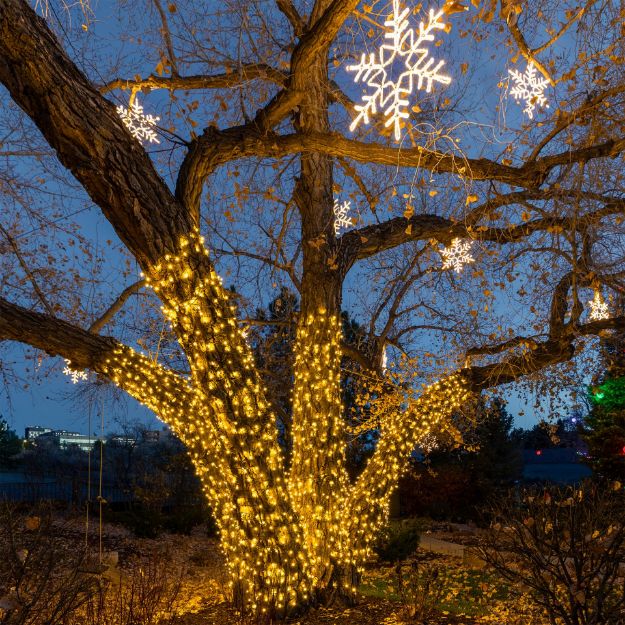
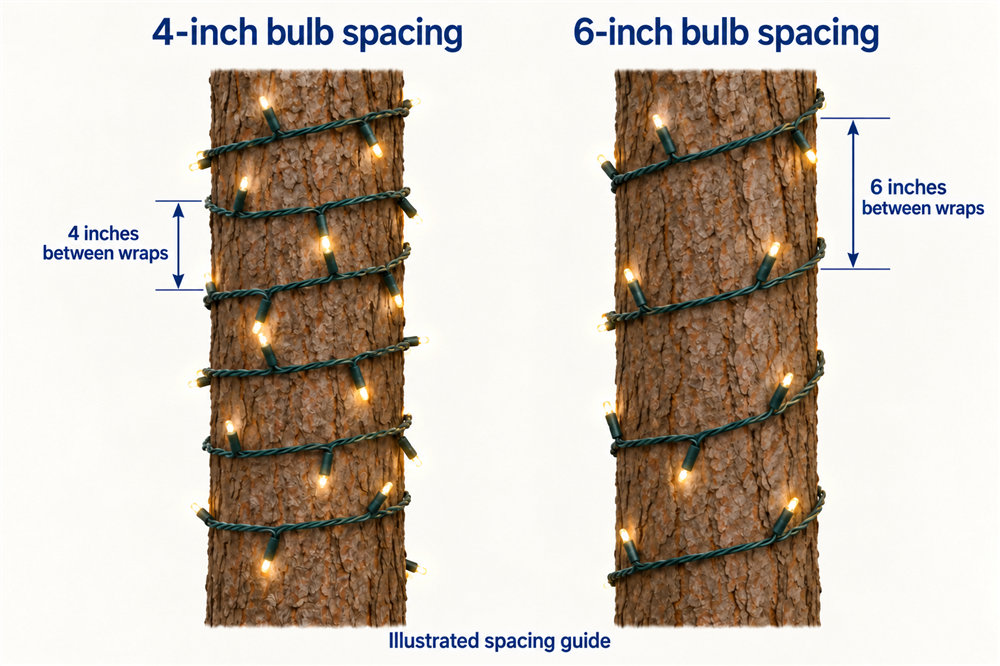
Bulb spacing and the distance between wraps are different
A string with 4-inch bulb spacing keeps that spacing along its wire. You separately choose how far apart to place each turn around a trunk or post. Closer turns fill in more of the surface and use more string; wider turns leave more space between bands of light. For convex lights, keeping the string close to the surface also helps define the individual points of light.
Compare the same bulb count: 50 bulbs have 49 gaps between them. At 4-inch spacing, that is about 16 feet 4 inches from the first bulb to the last; at 6-inch spacing, it is 24 feet 6 inches. Lead and tail wire add to the total length. The wider-spaced string reaches farther, while the closer-spaced string puts more light points into each foot.
For a small wreath, start by looking at a short string with close spacing. For a long railing or larger tree, compare 4- and 6-inch options, then decide how dense you want the finished display. Match spacing across adjoining sections for a consistent pattern.
Six details to check before ordering mini lights
- Bulb spacing: choose a dense or open pattern using the spacing guide above, then account for how closely you will place each wrap around your tree or feature.
- Lighted length versus total length: unlit lead and tail wire help you reach power or the next string, but they do not illuminate the display. For straight strings, the distance between the first and last bulb is approximately (bulb count − 1) × spacing. Check the listed dimensions when fitting a precise area.
- Wire color: green blends into foliage, brown into trunks and branches, white into light trim or pale decorations, and black into dark frames and backgrounds.
- Light color: warm white gives a cozy effect; pure white creates a crisper appearance. For adjacent sections, use the same product line and color designation to keep the look consistent.
- Connection and power limits: count the sets and total watts on each run. Do not assume all LED strings share a connection limit, are dimmable or work with the same controller. Non-connectable craft sets are intended for individual projects.
- Installation and storage: test strings before hanging, use supports intended for decorative lights, and avoid pulling tight around branches or pinching the wire. Store dry strings loosely so next season’s setup starts smoothly.
One useful comparison: two strings can each have 50 bulbs and cover different distances. Compare spacing and lighted length along with bulb count, then account for the extra length used by wraps and turns.
Mini light questions, answered
Are C6 lights considered mini lights?
Yes. Novelty Lights includes C6 strawberry strings in its mini-light range. Their fuller faceted bulbs make a more visible decorative shape than 5mm wide angle bulbs. C7 and C9 lights are generally separate categories.
Which mini lights are best for wrapping outdoor trees?
Wide angle LEDs are a versatile choice because their small lenses distribute light broadly as the string changes direction around trunks and branches. Convex LEDs work especially well close to trunks and branches, where their focused light can create bright, defined points along the wrapped surface.
What is the difference between concave and convex mini lights?
In our mini-light range, concave is another term for the wide angle lens style. Its inward-curving lens spreads light across a broad viewing angle. Convex lenses curve outward and focus it into a narrower beam, useful for well-defined points when wrapped close to a surface. Larger lenses such as C6 present a broader, more diffused point of light. Choose by the look and viewing position of your display.
Will the whole string go out if one mini light burns out?
The commercial wide angle and convex LED sets featured here specify that the remaining bulbs stay lit after a bulb burns out. That does not cover every type of fault: wire, fuse, connection or circuit damage can still interrupt a section or string.
Are twinkle lights and chasing lights the same?
No. Twinkle lights create scattered changes in brightness. True Twinkle® makes every bulb fade independently; our standard 50-light random twinkle strings combine 20% blinking bulbs with 80% steady bulbs. Chasing uses a controller to create sequential patterns.
Can I cut mini-light strings to fit?
Do not cut a finished mini-light string unless that exact product is explicitly designed for it. Choose a shorter set, adjust your wrapping pattern or use an appropriate craft-light string.
Do you still offer incandescent mini lights?
Yes. Incandescent mini lights remain an option for traditional filament warmth, matching an existing display or selected craft projects. They use more energy and produce more heat than LED alternatives. For a nostalgic LED option, explore RetroGlo®.
Can Novelty Lights mini lights be used outdoors?
Yes. Our featured commercial plug-in wide angle, convex, T5, M5 and C6 mini lights are suitable for indoor and outdoor decorating. We also offer outdoor-rated coaxial and solar options. Follow the installation instructions and connection limits for the set you choose.
Find the mini lights that fit your project
Start with your decorating surface and the look you want. Choose the bulb shape, compare the twinkle effects, then check spacing, wire color and power. If you need help planning a display, our team can help match the lights to your layout.
Shop Mini LightsGet Help Choosing